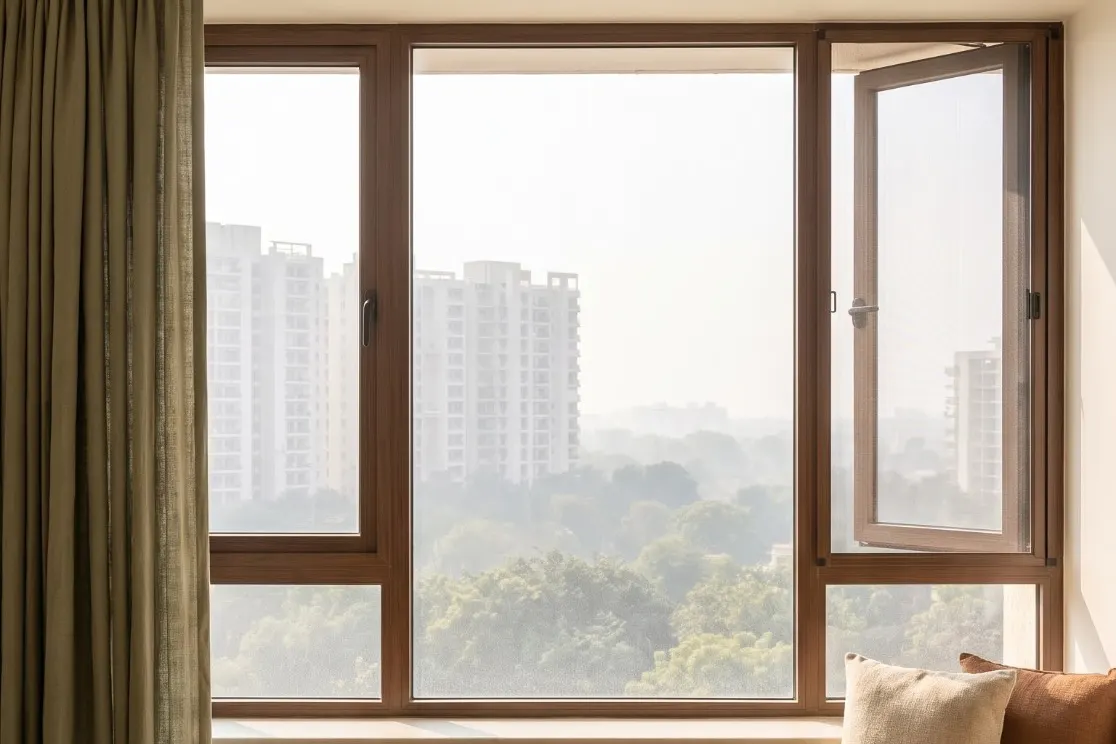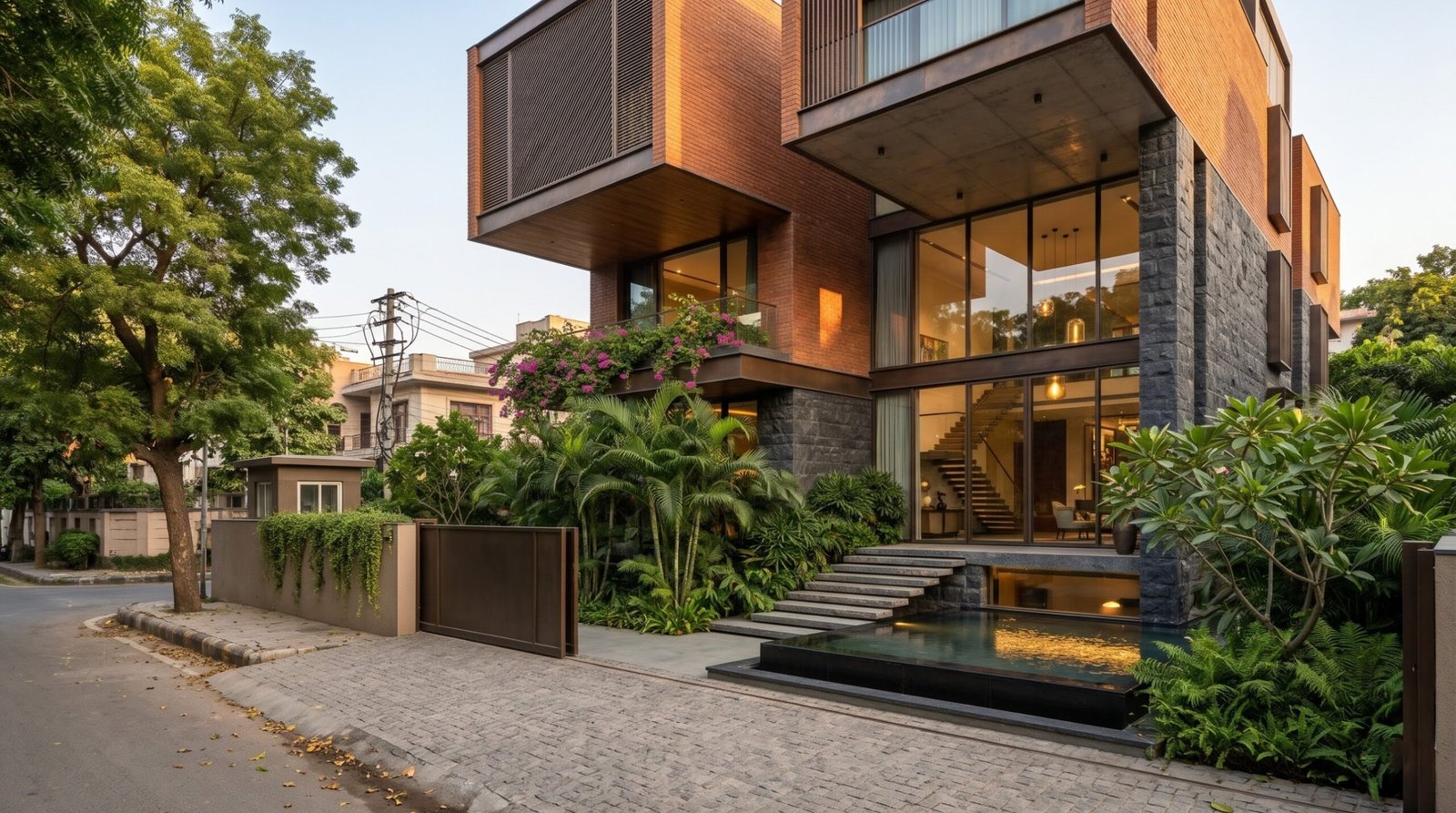

Good daylight begins with planning decisions, not decorative fixtures. The direction, depth and quality of natural light can influence almost every later choice in a project.
Start with orientation
Before deciding the size of an opening, understand where the sun comes from, when it reaches the space and what happens around the building. A large opening is not automatically a good opening.
Light is useful when architecture controls it, not when the glass area simply gets larger.
Think in layers
Deep reveals, screens, courtyards, shaded verandahs and planting can soften direct sun while allowing useful daylight deeper into the plan.
Material comes later
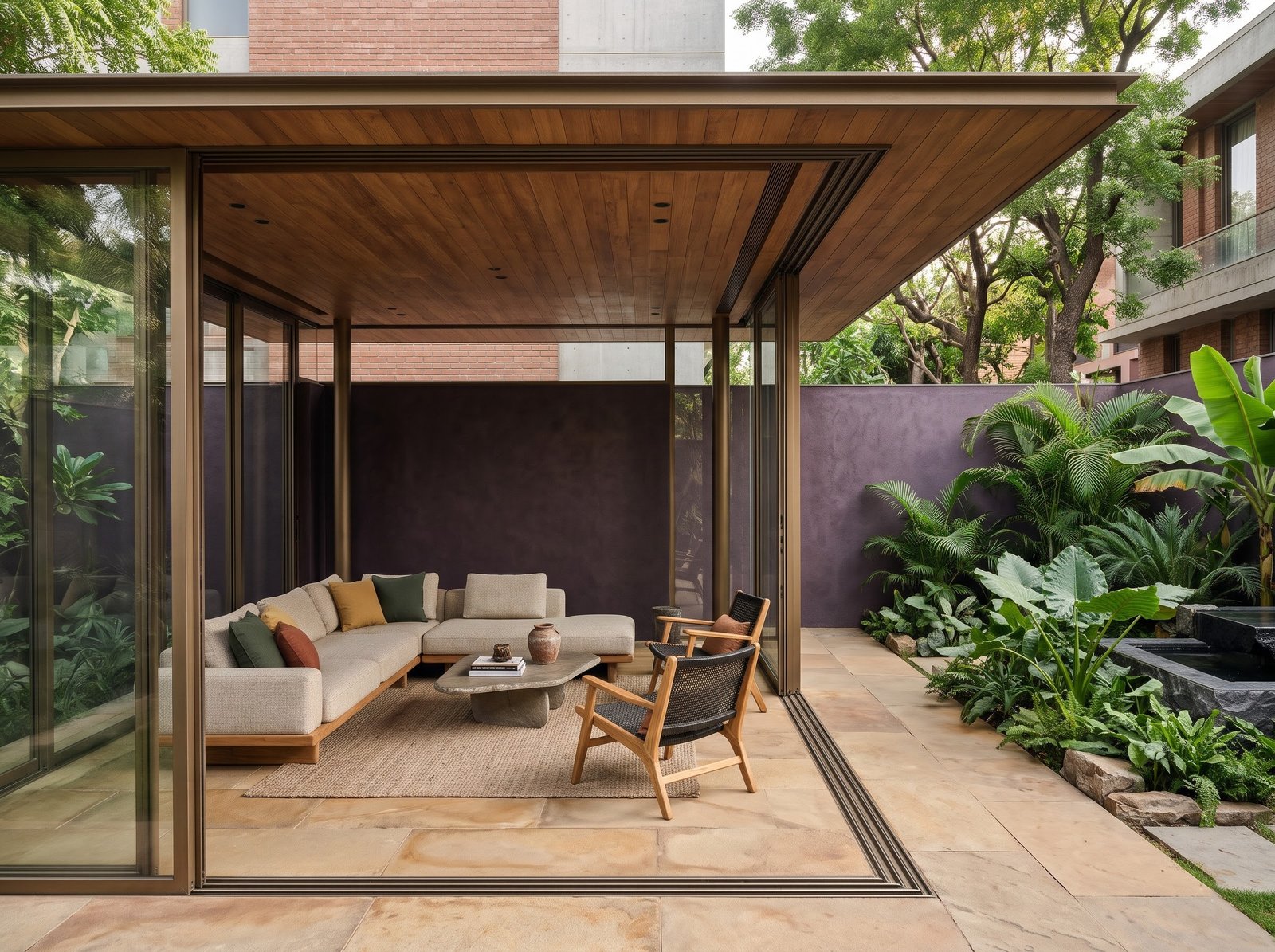
Once the quality of light is understood, material selection becomes more deliberate. Stone, timber, plaster and fabric all respond differently throughout the day.
Comfort is the final test
A successful space should feel calm at different hours, not just photograph well at one moment. That means balancing daylight, glare, heat and privacy together.